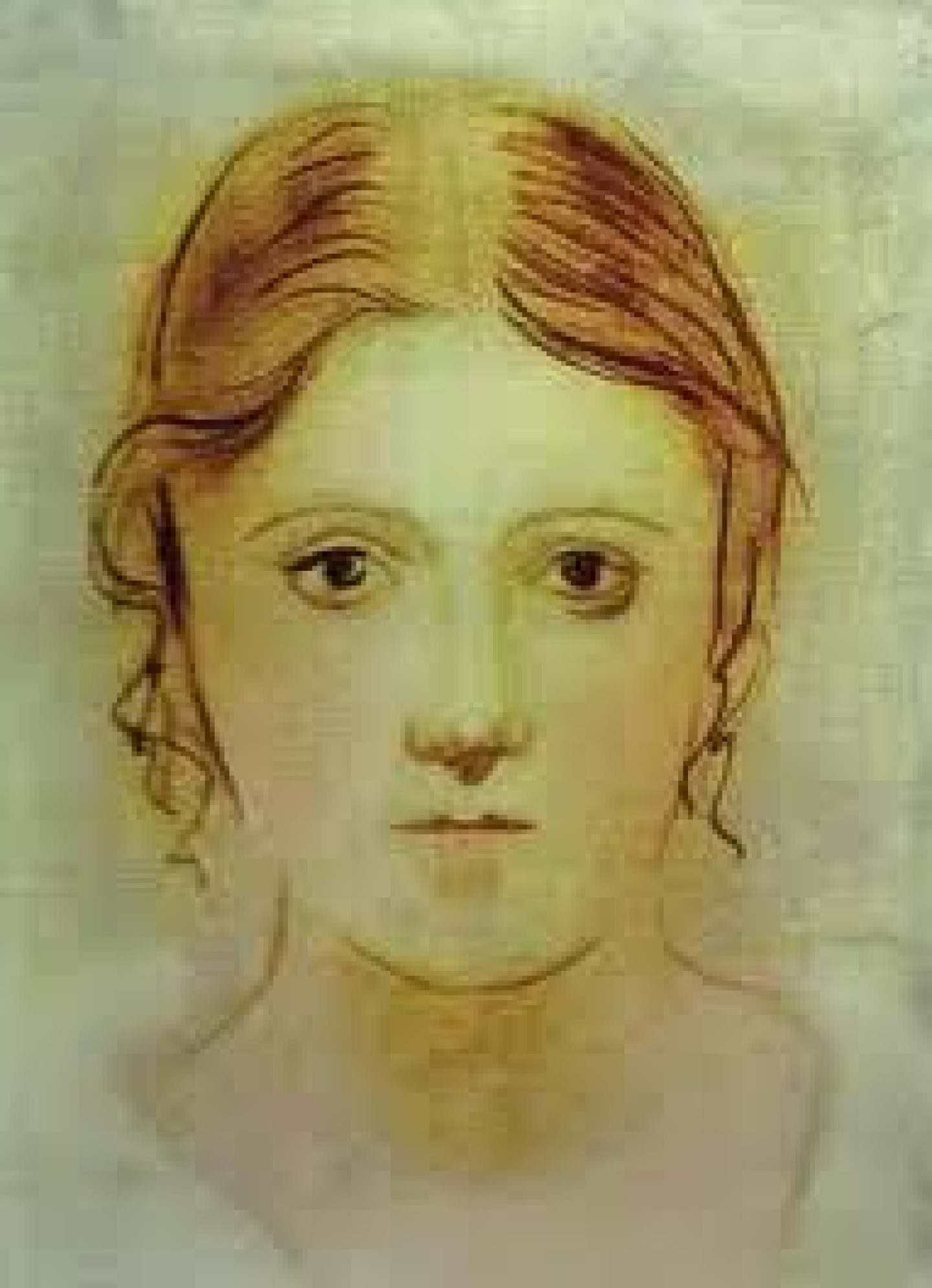

LORD, God Jehovah-Jireh
Send your Peace and Eternity into our hearts.
Bless us with the bread of life,
And empower Your angels to defend us.
Give them strength, and honor and courage
And may they win every war against the evil one.
In Jesus' Name.
God’s 5 Point Strategy for the Bible
1. Understand it
2. See where it applies in real life
3. See where it applies
4. See where it's being said in others
5. Always bring it back to Jesus
The Elephant and the Artist
There was an Artist who prided herself on painting. And she painted simple, thinking, "No animal on earth paints, beside we people. So, therefore, I shall paint like a child, and become prosperous." Yet, the Elephant saw this, and was ashamed. He said, "Little painter, you are a Man, and can do great things with this paintbrush. I shall show you, that even an animal can paint like you." So, the Elephant took his finger, on his trunk, and painted a picture of a sunset with his Elephant body standing by a stream. The painter was perplexed, "For I thought only humans could paint?" said the painter. The Elephant then said, with a sigh of humility, "You are Man, capable of greater things than I, so prove it. For, I am but an Elephant. Do greater things than the beasts, for you are ashamed that I can paint? Why then do you paint, when the beasts of the field have equal talent to yours? No, excel it and your compassion and your moral law, for in your creation there is meaning."
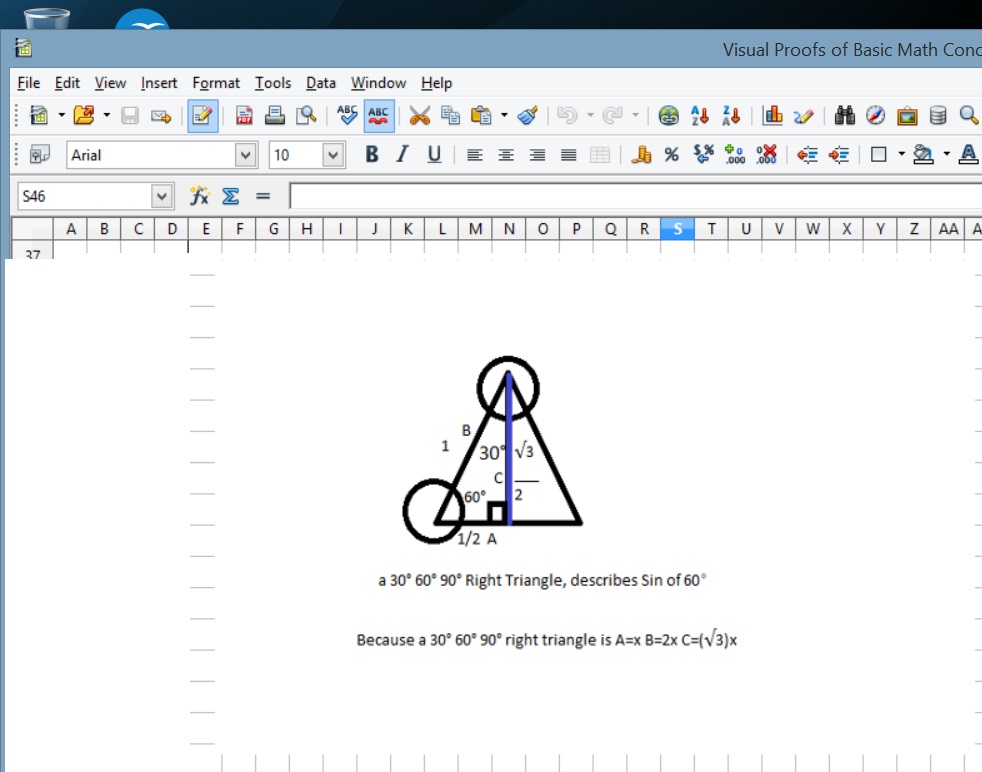
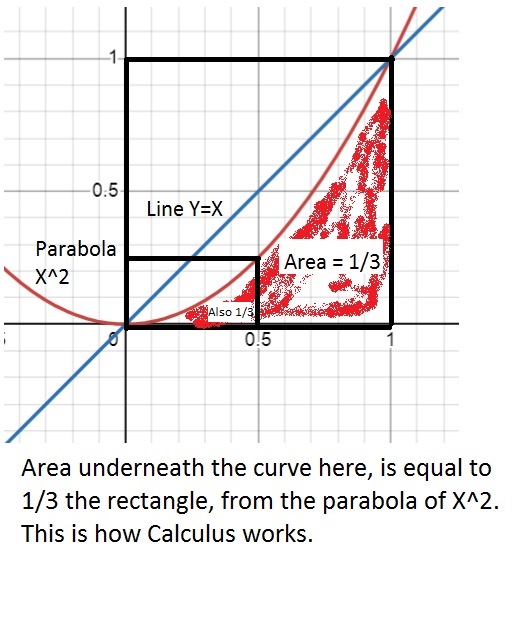
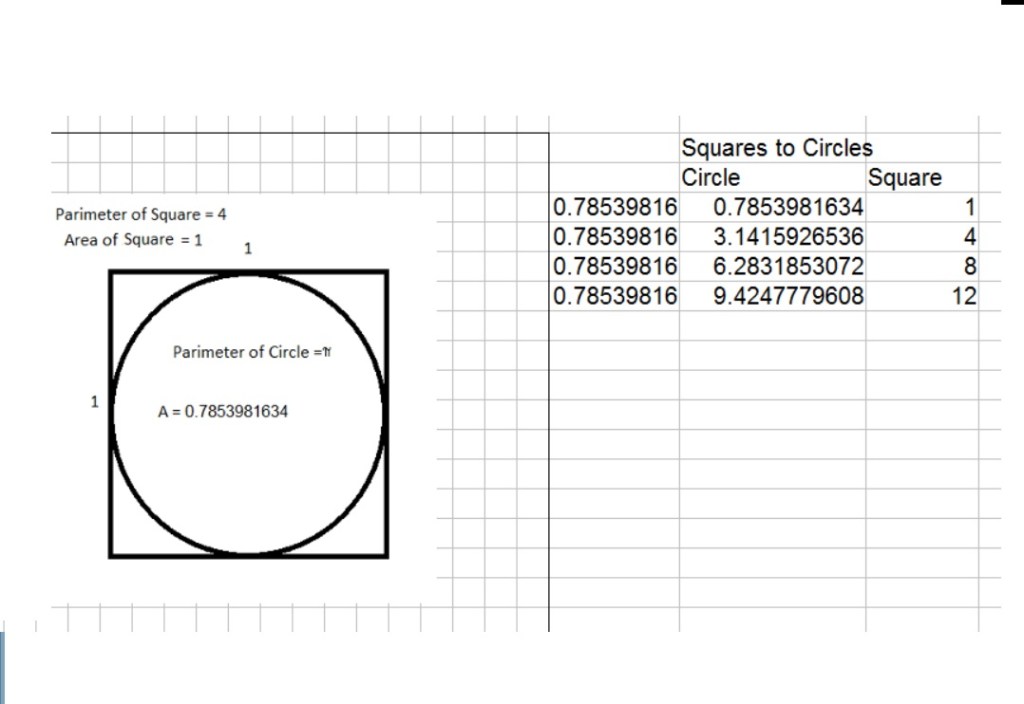
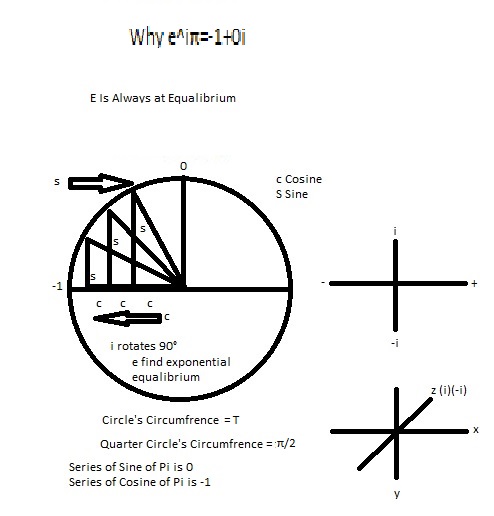
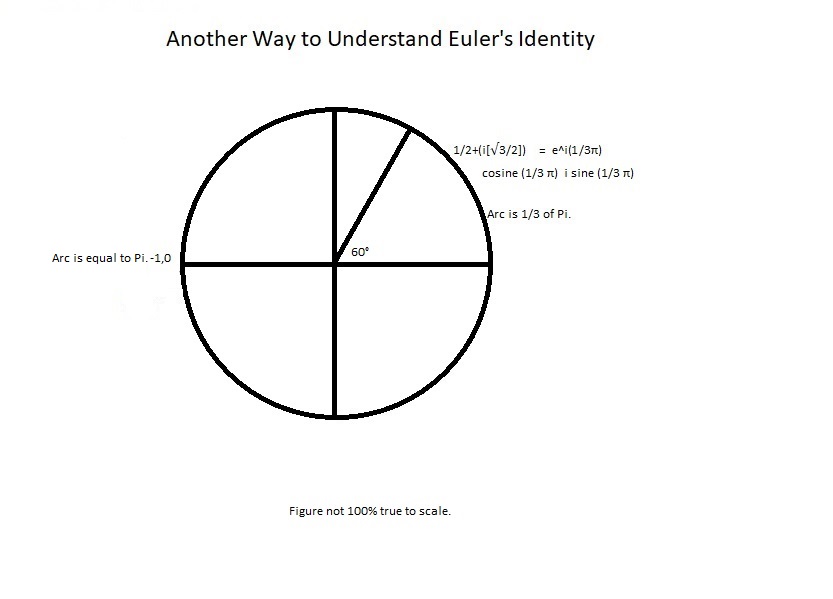
Visual Demonstrations of Maths Concepts

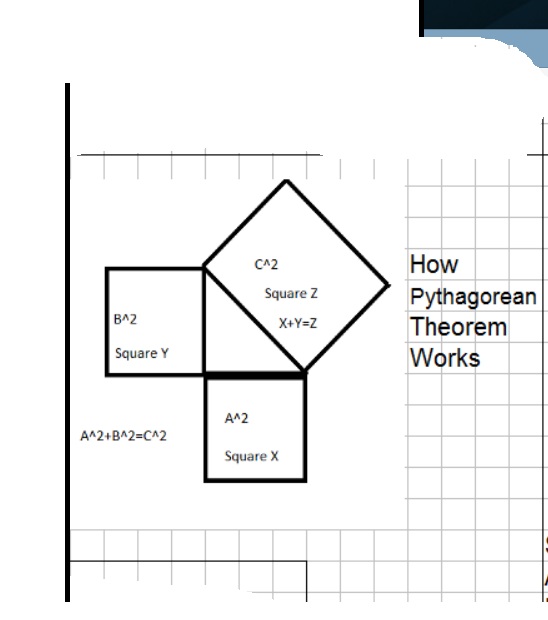
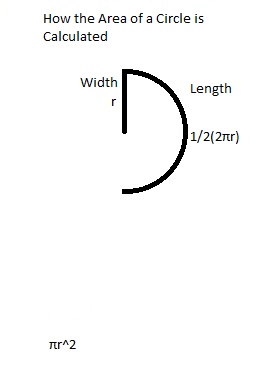
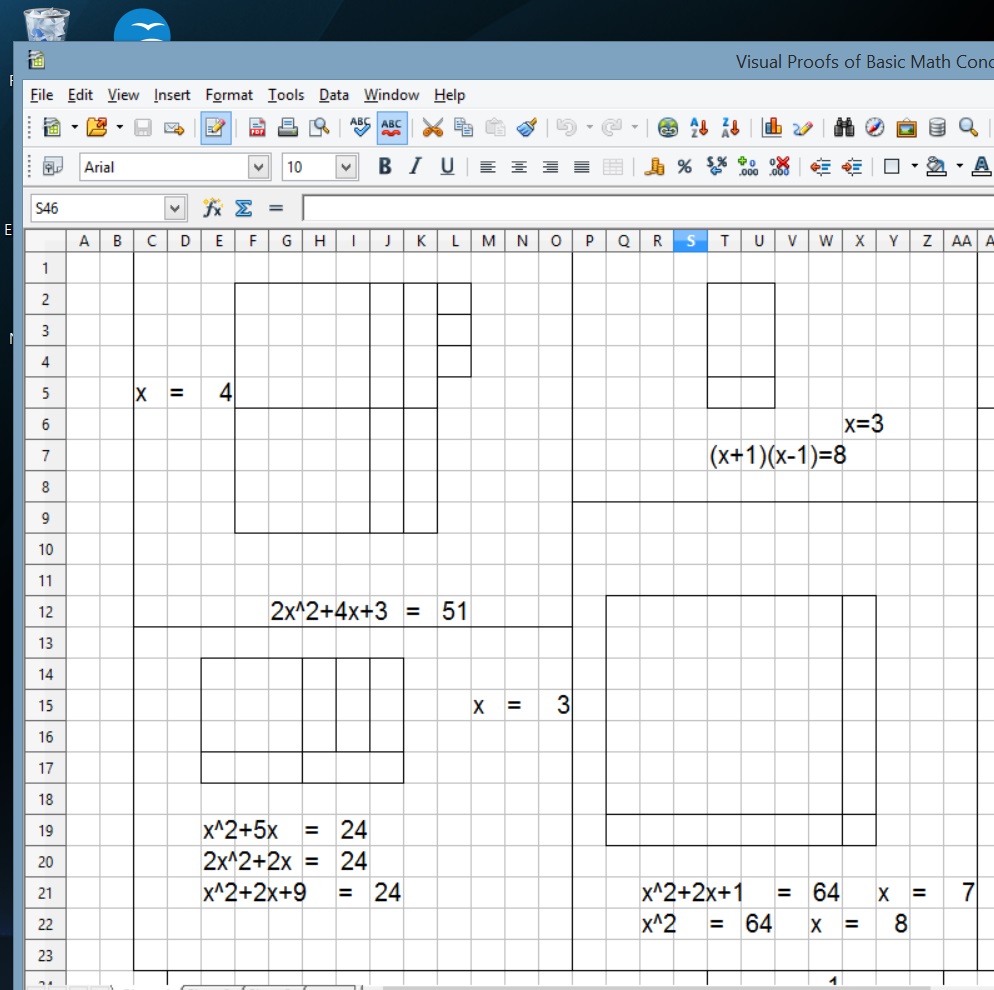


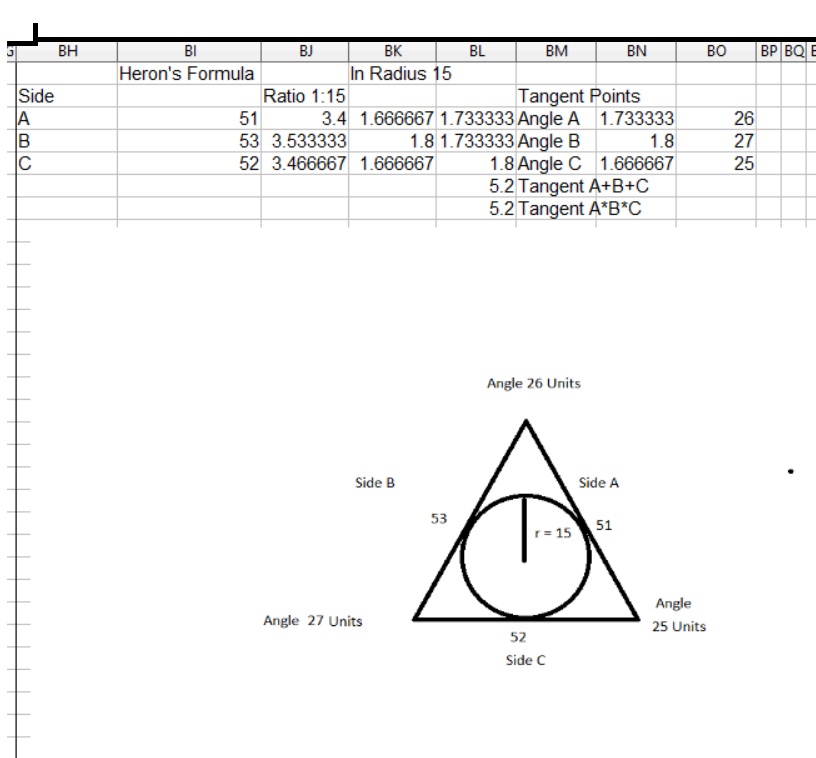
Not actually Heron's Formula. This is Mathologer's equation, and it was a good way to demonstrate Base 1 Math.
The Bear and the Crow
There was a Bear who coveted the Bees' honey upon the highest bow. And the Bear said, "I shall not be stung by the Bees, for my skin is thick." So he began to climb up the cleft of the rock, and when he had approached the top, a Mocking Crow landed next to him on a branch. "What are you doing?" asked the intelligent bird. The Bear said, "I am reaching for this honey." The Crow said, "Have you worked for the honey? Did you do anything noteworthy to get it? Or do you wish to spoil these great and wondrous architectures for your own belly? The Bee Keeper at least lets enough for the Bees he keeps, you would spoil the whole hive." The Bear swatted at the Crow, but in that instance, lost foot. He began to fall, and the Crow cawed at him, as he fell to the ground beneath.
My Role Model
He was a good man. He did nothing wrong. He healed the deaf, the blind, the lame. He fed thousands. When I needed Him, He was always there.

I was happy as a child. I had good parents. He gave them to me. I had good grandparents. A pool to swim in. Good aunts and uncles. A full belly.

I sat on my Pop-Pop's lap. I watched the birds feed. He gave me that, too. He gave me my Pop-Pop's love. He gave me my Mom's love. He gave me my Dad's love. He gave me my Grandma and Pappy's love. I was full of love.

Then He gave me play. He gave me lots of play. He gave me four good dogs. He gave me piano playing skills. He gave me writing skills. He gave me lots of love. He gave me lots of talents.

He gave me friends. They were good friends. He gave me freedom of speech and religion. He gave me cooking skills. He gave me poems in my dreams. He gave me knowledge of math. He gave me knowledge of history. He gave me knowledge of science. He gave me knowledge of people. He gave me knowledge of English.

What did they do to Him? They took Him. They beat Him. They whipped Him. They scourged Him. They spat on Him. They teased Him. They put nails in his hand and feet. He hung. And then they cut him with a spear.

I didn't do my homework. I got a little crazy. But I passed school. I had work. I have a good brother. I learned to love him.

I made mistakes. I hurt people. I told lies. I got angry at God and told Him mean things. I did what I wasn't supposed to do. A lot of things I wasn't supposed to do. God did a lot of good things for me. And I thanked Him with doing bad.

I played violent video games. I was alone a lot. I didn't like anyone but myself for a while. Then God showed me love. And I fell in love. With who? With Peace. And I loved Peace. And I was bad. But then I knew what was good.

And I loved Peace so much. It was my constant friend. And I took it everywhere I went. It taught me good. It taught me what was bad. I saw lots of beautiful art in school. And then I saw ugly. That sort of taught me good and bad. But Peace taught me what was good and what was bad. And that man on a donkey and colt taught me peace.

I fell in love with good. And I hated evil. So I wrote everything I knew. Every drop of what I knew. I wrote it. When I was sixteen I began writing what I knew. And at age 35 I continue to write what I know. And I know Peace is good. And I know He is good. They killed Him because He was good. They hated Him because He was good. He set an example for me to follow.

I knew what I did was wrong. Whenever I did something bad, I knew it was bad. That didn't stop me. But I think it's the same for everyone. They know it's bad, but they still do what's wrong. But they do it anyway. My friend saves us from that. His name is Jesus. And He is my role model.

He is my teacher. He teaches me everything I need to know. He gives me peace. And when I'm sad, I know He still loves me. I know He loves me because I see it every day. Food on my table. I have a comfortable bed. I have clothes in my dresser. And even if I didn't have those things, I still see what He did for me. He hung on a cross, and bled and died.

What I learned about life is it is not good. It is full of evil and sadness. I cried a lot in my life. I cried over good men dying. I cried over evil men getting rich. I cried over little children being naughty. I cried a lot. I cried because I was naughty, too.

At times, I don't want to go on. But then I think of Him. And I know He would want me to carry on. I know He loves me because scars are on his hands and ankles. That says He loves me. If I get nothing more in life, I know He did a good thing for me. He's good.
Faith A Dialogue
[T]here's a lot of proof. It's just not going to be understood without faith.

Postmodernists are wrecking math and science right now, for that reason.

[Faith] also allows you to connect the evidence, and see the patterns for what they really mean.

The truth is, there's philosophers arguing over the validity of Addition. Saying it's a Western Concept. At some point, you need faith in the thing, to accept it. Because, truthfully, 1 + 1 = 2 takes 360+ pages to prove, and you're not going to understand that. So, faith is generally a way of understanding what is true, without having to go into the nitty gritty. And the fact is the Bible's Canon is established in real life witnesses of those things--we know this through Papias--so there's an established credibility within the canon, that also gets corroborated by LOTS AND LOTS AND LOTS of archeology.

[F]irst principles are [hard] to figure out[.] It's not easy. You have to be at least a 140IQ person, and most of knowledge has become democratized. There needs to be some faith on the established traditions, that we got it right, including the documents in the Church handed down by the Church Fathers and Apostles. Most of this confusion needs a lot of specialized knowledge to unravel, and when you do, you find out the scholars are lying.
Stupidity
I saw the rise on the left,
Great, and gross and illiberal things
That no sane or rational man
Could tolerate--yet it was.

Then, a Beast arose, and squashed it
With his lion's paws, and stripped liberty
Away, while cloaking his decrees:
"I shall set you free!"

I stood flabbergasted.
I knew not which side to
Ally with, for both were false causes.
The Good Friar Said
The good friar in his sermon on sunday said these things,
And it was true, yet borrowed them
From Dostoevsky's Grand Inquisitor:

Had Jesus been tempted to turn the stone into bread
He'd simply be a man who feeds the people.

Had Jesus been tempted to throw himself off the ledge
Jesus would simply be a street magician.

Had Jesus taken the world from Satan
He'd simply be a dictator.

Thus, we must know these three core facts:

Christ is not a means to get rich or be fed;
Christ is not a means to perform gross illusions;
Christ is not a means to usurp power.
Loneliness
I have my dad.
I have my brother.
I have my five friends.
I have my mother.
I have my aunts and uncles.
I have my cousins.

When I see loneliness growing
And its singular cause,
I know it is Sin.
People grow dangerous...
Aloof...
Selfish...

