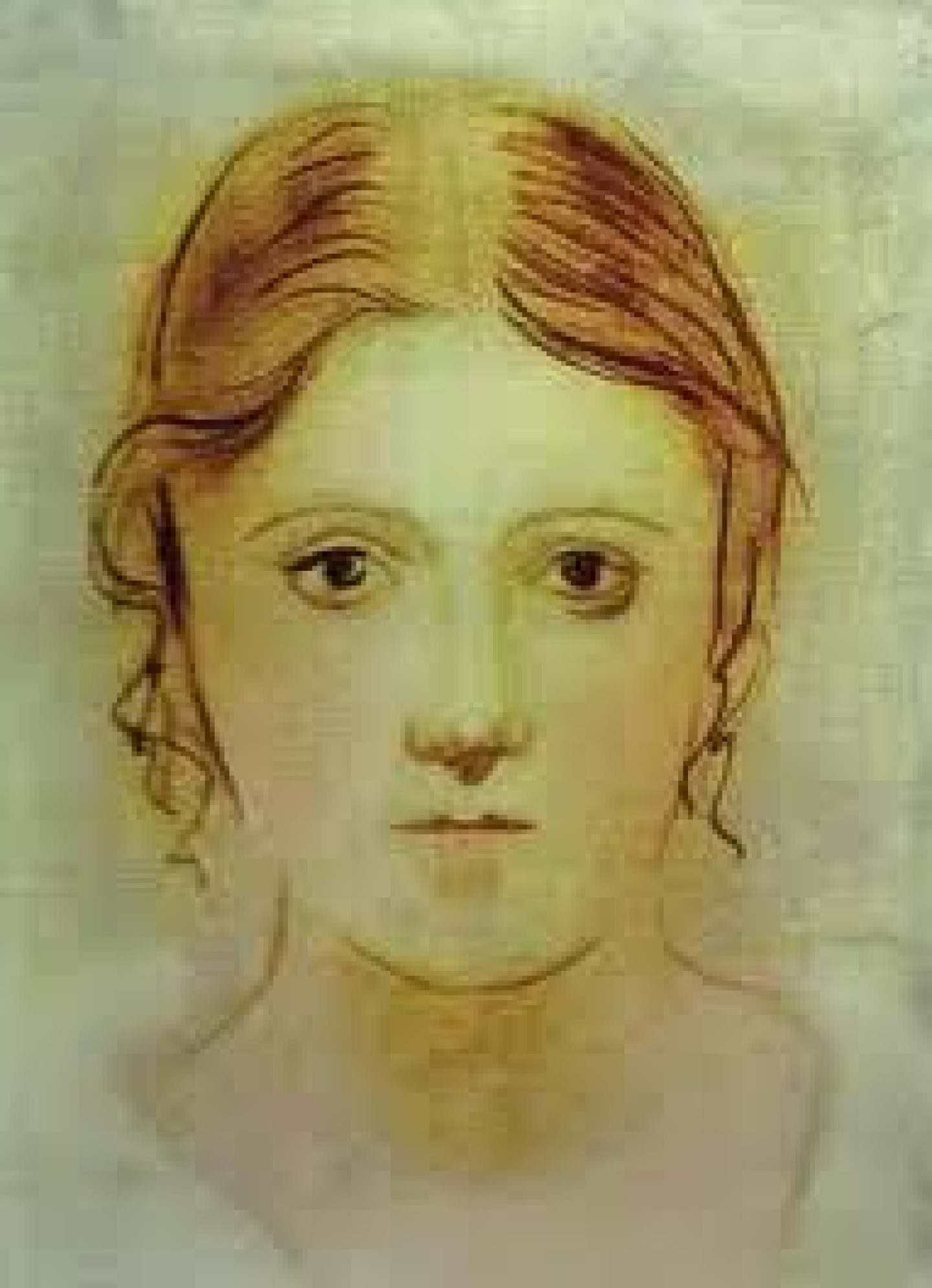
Dedicated to Robert Southey,
Whose prosaic poetry helped inspire this piece,
Through his by the same name.

Canto I

I

Many years, either past or future
Present or in the nick of time...
There lived a prophet and a king;
The king supped on spices: cumin, mint, celery, cinnamon,
With perfectly cooked meats: lamb, tilapia, bison, stag, beef;---
And he drank wine with the most cheerful inebriation.
His hot springs were like pools set as jewels in his house.
His chefs the finest in 100 realms.
The prophet supped on spices: ginger, salt, garlic, onion---
With perfectly cooked meats: beef, pork, chicken, salmon;
He drank sweetened teas and coffees, and good milk.
He had a bath drawn by servants, and warmed.
And he cooked all his own meals.
He was with his servant much, and they two were like kin.

II

The king, for want of fame or to protect his vassals
Wished to make war with Persia.
None knew, for perhaps both things can be true.
He drew up plans with his generals, conspired
To draw swords against Persia,
And draw up all the land of Grecia
To war with the South and the East.
The Generals spied it was profitable
And encouraged all his heart to enter the war.
The wights wealed with wisdom of the world,
Thus, they sought to do
And so they would.
So the siege engines were hacked from the sycamores
And the maples fell to build machines of war.


III

The prophet, however, cried---
Thalaba was his name---
Peace, where the little darlings were dandled
On their mother's knees
And the children rode their mules and stallions
And they played with their hoops and balls
And the venerable kings of foreign lands
Dwelt safely upon the clefts, spying the beige lakes.
The river boats and anglers threw their lines
The cattle and bear trod safely and were no danger;
The milk was good,
The tea plenteous with honey.
Man and wife sank flower petals into the pools
And children were cautioned about only trifles.

IV

A bird, however, heard all the curse.
It carried it to the king.
He rent his silk robe
And his princes were then used as spies.
They sought the king's engines
And came to Thalaba's home and spied all his things.
They saw he was wealthy yet was also poor
Compared to his neighbors.
The king demanded he stop publishing
And demanded he stop cursing.
Yet, as he welled it up inside
It burst from Thalaba's lungs
Causing true danger.
Thalaba could not stand by, but prophesied.


V

Thus, foul sorcerers began to torment.
A prophet tells the truth, but sorcerers
Lies—confusion, illusion and deception
Are their only true weapons
And they weave mischief
Like a brass web.
And Thalaba cried for there to be peace,
And this angered the king greatly.
He sent for spies to tell the tale
And sorcerers and mages and enchanters.
Thalaba was confused, but steadfast for peace.
Great wars cause so much suffering.
The king saw it like a cycle
Yet Thalaba saw the stepping stone to Lawlessness.

VI

Thus, the king used his
Mediums to prevent any true
News from getting to Thalaba.
They made an iron curtain around 15 miles in radius
Thus no news, save that of peace
Came to Thalaba.
And thus it were, he received only false reports.
He drew his contract and had the judge seal the
Document and then thought
This just, to afflict he who prophesied
Evil against the king.
To not share in collective history, he knew no greater
Punishment for a supposed prophet.
The king marched out to war.


Canto II

I

Thus, with the king's mind so set
The vault became a manner of blood
To foretell of the blood and reset.
The king of southern realms were afrighted
Thus mustered 500,000,000 men strong
To pour into the Northern Lands.
March they did, across the dry rivers,
Scorched and made thirsty by quakes.
They marched in their lines, two armies,
One of three hundred million
The other of two hundred million.
The first sailed across the pacific
To enter the new world from the west and south;
The second marched through Egypt into Jordan.

II

They came from China, and Persia
Arabia, and Deep in Ethiopia,
Syria, the Heart of Africa,
South Asia, Russia
South America, Central America,
Drug Lords, Warlords, Businessmen
Princes of the East and South
From Idumea and Turkey
And Mexico, and some hailed
From unknown lands, Barbarian
Small peoples of a nation of two hundred men.
They arrayed in peasant's garb
Brought no sword or bow
But they came to steal, kill and destroy.


III

Their steeds were dolphins, bulls
Whales, gryphons, hawks, eagles,
Wargs, spiders, dragons, deer, stags
Bear, ligers, leopards
Jaguars, elephants, unicorns
Satyr's hooves, jackals, crows---
They had aligned with the conies and dogs,
The baboons and apes,
The hyenas and wild boars.---
Thus their numbers were overwhelming:
The fairies spread lies and rumors,
The Baals and Asheroths were satiated with blood,
The owls and liliths
And the scorpions and anthropoids and cephalopods, too.

IV

Thus, the king began his campaign
By drawing fire and brimstone from heaven
And it consumed many cities to ashes.
Man, woman, child, old, animal, tree were consumed
And melted away to bone and dust.
This act startled the realms below
Who, like a nest of hornets, when left
To their own, pollinated the trees and flowers
In exchange for sweet nectar of trade.
But when the paper nest was swatted
The hornets swarmed in great, lethal numbers
So it was, the king called by sorcery
Fire from the heavens, and it engulfed
The once peaceful peoples, so they too were stung with loss.


V

Thalaba prophesied the war,
But the king in his craft caused all
News of the great war to never reach
Thalaba's town. All within a 15 mile radius,
They heard of minor disturbances
Far away, as children dawned mail and armor
To sail across entire oceans
To die and fight: not before
Countering the forces now landed
Upon the beachheads, who did terror
Upon all they could, to kill, steal, destroy,
Rape, rob, murder, and eat the flesh
Of men, whomever their hungry bodies slaughtered
That they did.

VI

But in this small town, all were at ease,
Drinking too, eating capon
Bathing, making flesh feel good in their many paramours,
Drinking milk, working like it were their all and only
Activity, day and night without rest or time
For peace. Thalaba saw nothing:
He dreamt of succubi which the kings conjured,
He cataloged the seasons and the stars to document
Peace, for his king were a fool.
He prayed, rested, repented, slept, woke
Ate hearty suppers, drove his hearty mare
Through town on leisure rides
Witnessing the vanity and pride wax greatly
On every citizen's tired faced.


Canto III

I

Like Horace, a pagan whore remarked
That his countryman betrayed the solemnities:
Great wars and defeats were prognosticated
Yet Rome plunged further into a black peace.
For women were loose and the bonds of peace,
Matrimony's harmony,
Were disorderly among the entire realm:
Thalaba cried that for this, was war to come,
The women ground for those other than spouse
And men kept not their secret chaste.
Thus the king said he heard it all before
And those prophets were fools, too,
So he kept the three cities Thalaba
Knew, ignorant on pain of torture without death.

II

Yet, the armies came and murdered, raped, robbed
Ate their victims too---
They came in numbers the size of large nations
And stole much booty.
Their thews were gaunt, their bellies fat
Their weapons drawn from the men they killed.
Chemistry with nitre, they blew bridges,
They poisoned watersheds,
They hacked to pieces victims and sold their meat:
Belladonna, bane-berry, hemlock, star of Bethlehem, mandrake
Night shade, holly berry, they made
And liquid death tea: they poisoned all,
Entire cities fell ill and then fires were ignited
In forests: fields charred, game consumed to the last.


III

Thalaba thought there was peace
And warned of great war.
The abomination of desolation
Were those armies, yet Thalaba heard not a peep.
Yet he stirred to cry out for no
War. Yet war was already real.
Yet even worse, the children mocked
The hoary headed laughed
The mothers and fathers hid their children
In their bosom and said,
“There is no war, you were wrong, we are strong.
“We hide our children from the likes of you.”
They ate, drank, and slept at ease
Not a single true shred of news reached their ears.


IV

The taunt was so...
“Weak and feeble young man
“If you only knew
“No war exists
“If so, we now prove
“You are rude of heart
“And loud of speech.
“Obnoxious now
“But you can read.
“That is all, you raging nut:
“You are not wise,
“You know nothing such.
“Wrong about a thousand things
”We laugh, and with us welkin rings."


V

Yet the milk became scarce
The honey less sweat
The portions waned so few.
10 pound capon became 3 pounds
The oils was costly
Yet gold fetched a high price.
They blamed all on Thalaba's prophecies
Saying “He discouraged our king.”
They began a rumor,
“In our city, lives Thalaba the Destroyer.
“He is usually wrong
“And his sootheing is the cause
“Of all our woes.
“Woe to him. Woe to him.”

Canto IV

I

Then, the prices fell, and the prices were good.
People were fed from the produce.
The idols were cheap
And so were the devices.
The milk, and honey, and fruit, and grain
Were at a price that was affordable.
The men gloated over Thalaba,
And called him a Broken Clock.
Yet, his stories welled in him
Over years, and his prophecies remained consistent.
He ate with trembling;
He drank with angst.
Seeing peace, he wrote his stories.
Those stories that welled for so many years.


II

Thalaba was ashamed he was wrong.
He beat his breast and rubbed his belly sore
With his belt. And his anger swelled
And great confusion hurt Thalaba's heart.
He was hurting in his heart
And saw every vision fail.
Brother and father saw, but the food was cheap.
Where before, they argued over the high costs.
The entire price was cheap.
They all celebrated the king
And lauded him for his prowess.
The people were comfortable
And they ate. They drank.
The people saw no curse.

III

The children ate freely and walked the street.
Their parents lauded their prize achievements
And the people loved their little games.
And the rumors they would spread about Thalaba.
They loved to gossip and talebear down the road.
And when Thalaba prayed, they called him insane.
The children strode with horse and mule
And hit the flowers with sticks;
They would gesticulate at Thalaba
And call him all manner of vile things.
Not one neighbor knew about the war,
Not one man knew the evil that stalked the night.
The king's bodyguard kept the three cities safe,
So they would never know.


IV

They cried another taunt:
“You were wrong oh poet,
“And you know it!”
“The great powers of your verse
“Have not abated the curse.
“Nay, we eat freely,
“No, we eat cheaply.
“We sink to the slough
“And the king raises us!
“Understand, we know now
“That you are false
“For our devices and food
“Are cheaply produced.
“And our bounty we laud.”

V

Yet, the prices were low, and they ate
And consumed all. So there was no thing to buy.
The beef were gone, the milk, the wool and flax,
The watches, the automatons,
The paintings, the paper,
The windows, the baubles
The ships were not on the whale-paths,
The carriages not on the road,
The postmen not at their posts,
The pastors long exchanged
For counselors on life.
Where before they rejoiced
For their carts were full,
Now, they were destitute.


VI

Before, they rejoiced over the easy flowing oil.
The food which were great and plump
And verdant food, and lush grains;
They rejoiced over their distractions.
They rejoiced over their games.
They rejoiced over their loves.
And felt they were not culpable in a thing.
They rejoiced: for the suffering
Elsewhere was not to come near
The three protected cities.
They knew not a thing about it.
They know like all the world
That they were fat and well fed.
Thus, they rejoiced over their victim.

Canto V

I

The shelves were bare from East to West
North to South of the circumference
Of that little self contained world.
The war was elsewhere, and the sword
Thick with fat: the soil quenched by blood.
Yet, in this little world
There were no war, like elsewhere.
There, the peoples saw their folly,
And that Thalaba were still a lie.
They could not admit, due to ignorance,
For they saw their little
World were bare of goods.
For fat capons became gaunt hens
And beef was nowhere else.


II

All that could be bought
Were. The people began
To feel deep depressing
Hunger for the first time.
Their shelters became their graves.
They decomposed on the streets,
Their flesh fused with the rugs,
For they melted away.
They said of Thalaba that he cried wolf
And therefore, was the harbinger
Of this great sorrow.
The people lamented
Their idols could not save.
In the streets they waxed cruel and vain.

III

They took up this taunt:
“Though hungry
“We know now you are wrong.
“Though thirsty,
“Our peace is ever strong.
“Do you know, now,
“Why we must have gone to war?
“For many men have fallen to your curse.
“Thalaba the Destroyer,
“You had your peace.
“Thalaba the Destroyer
“Now none can have their feast.
“Thalaba the destroyer
“You might as well be beast.”


IV

Hunger struck all including Thalaba.
Priest, prophet: friend spurned friend
And men ate their fellows.
Skulls littered the roads,
The rain tattooed the puddles
Which the rotting flesh made burgundy.
Yet, the thirsty would drink.
And they'd die of their contamination.
The diseases of poverty spread.
The men fell in the streets.
Hungry, they tremored from lack of flesh.
The king mocked by making himself
A conquering Messiah.
He said, “Praise be to Allah.”

V

Then came the day
Thalaba was arrested.
Into shackles he was locked:
And by two hearty police,
He were led away.
His flesh were black
From fire soot, burning in the towns.
His once fat and gay form
Was folded with skin
And his belly a pouch.
He were ahungered.
He were athirst.
He were captured.
But he was not cursed.


VI

They raised a litany against him:
His crimes were as said:
“Libel and slander
“Of the king.
“Disseminating State Secrets.
“Publishing blasphemies against his majesty.
“Slothful in business.
“A plagiarist, though we know not how.
“How does an unintelligent man
“Figure out things which mystified
“The skeptics?
“And it turned out never wrong?
“Necromancy, sorcery,
“False prophecy, and more.”

VII

The people cried that he demoralized
Them. Thus they were sated
On his chains.
They talked little in their days
But said it must be justice.
They were assured
It was all Thalaba's mischief.
The king knew otherwise.
He laughed and sumptuously feasted:
Goats fed on fine pastures
And dairy from the same.
Milk nourished on the spring grass
And local honey rich and dark:
Strawberries from the sweetest runners.


VIII

Thalaba was never void,
So the peoples all died.
Great were their wanings.
All suffered even good and bad.
None found joy.
The sun darkened.
The stars fell.
The moon melted.
The trees were bare.
The grass dried up.
The beef were dry morsels often like foul berries.
The ocean were blood.
The rivers cracked to the bed.
The life on earth barren.

Canto VI

I

Months in prison kept
The prison guards grew more thin
And looked with envy at Thalaba.
Sheltered here, and untouchable,
He sat with a flowing spring
Of which he drank.
His shoes stayed on his feet:
He drank water in cups, for a fresh spring
Poured into his cell,
Cool and crisp: not hardened with excessive minerals.
He drank and washed, and took off his clothes
For washing.
He washed with the mint that grew
In between the cracks of the soil in the bricks.


II

The prison guards were full of black
Envy, as their eyes turned
To pitch and their bodies as shadows.
Thalaba had a crust of bread three times
A day, a portion of meat,
Milk and tea, and he ate the herbs which grew
In his cell, which Christu planted just for him.
The guards were envious of him!
For they were without food.
Soon, they were no more,
And a Ginger Haired maiden came with morsels.
They all abandoned him and forgot.
She came to become a spouse,
Bringing what she foraged all day.

III

In winter, she shared skin, vulva and warmth.
The two touched, and kept their stores
Which she wisely kept for colder months.
She, with breast upon his bare breast,
Ate warmth from each other.
He became fairer than 10,000
From sitting and waiting.
And they both were the two most fair
In all the world.
They were never married
But she a hymn burst for him.
And they slept, keeping warm with each other's
Bodies. And she conceived
And she and he loved each other, and that peace was like heaven.


IV

However, food was low
And Thalaba caused her to eat
For the son in her womb
And herself.
She wept, as he got more weak
And was all but bone when he died.
She wept.
Their love was rich, though they spoke
Little to each other.
Their laconic relationship
Was borne on need and touch,
Not shallow conversations
About politics, philosophy, science and religion.

V

She knew it would be her fate, too,
So she prayed for wings.
She and he loved much.
Sorrowful hours were like heaven
In each other's arms.
Their warmth was stronger than hunger.
Their love more severe than death.
It was strong.
No thing could compare,
And in Thalaba's final moments
He received his deepest longing.
For he kept prayer strong,
Fasted often and clung to God like
Jacob.

©2026 B. K. Neifert
All Rights Reserved
Thalaba the Destroyer

Published

